
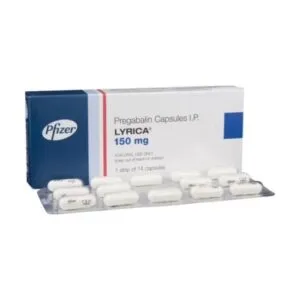
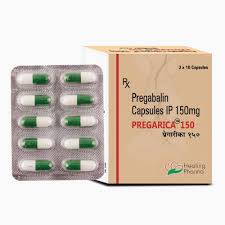
Generic Lyrica 150mg Capsules
Price range: $55.00 through $180.00
| Active Ingredient | Pregabalin |
|---|---|
| Treatment | Diabetic Neuropathic Pain |
| Manufacturer | Healing Pharma |
| Packaging | 10 tablets in 1 strip |
| Strength | 150mg |
🔥 Exclusive Crypto Offer
Get an INSTANT 15% DISCOUNT when you pay with Bitcoin, Ethereum, Dogecoin, Bitcoin Cash, XRP, Solana, or USDT.
⚡ Don't have crypto? Buy it here in 5 minutes with easy guidance.
💡 Pro Tip: You can also pay with cryptocurrency using your verified Cash App or PayPal account for a fast and secure checkout!
Introduction to Lyrica 150mg
Lyrica 150 mg is a drug that has an active ingredient of pregabalin, which is normally prescribe by healthcare workers to ensure that nerve-related situations are taken care of. The dosage is quite commonly administer in treating neuropathic pain, fibromyalgia, and seizures. Pregabalin acts on overstimulate nerve impulses that contribute to the proper elimination of pain and discomfort. The prescription of Lyrica 150 mg can be considerer as a part of the treatment involving a patient with regular pain or nerve impairment related to certain illnesses. It is believed to be a safe and tolerable solution when it comes to the treatment of a complicated neurological condition.
What are the Lyrica 150 mg Therapeutic Uses and Indications?
- Diabetic peripheral neuropathy: Lyrica helps make discomforts in the feet of diabetes patients bearable, relieving patients of pain that encumbers daily life and movement.
- Post-herpetic neuralgia: It reduces post-herpetic pain caused by shingles to enable better sleep and overall quality of life.
- Neuropathy occurring in spinal cord injury: The drug alleviates the effects of distortion of situations caused by a damaged spine, which helps in the rehabilitation process.
- Fibromyalgia: It minimizes widespread symptoms in the musculoskeletal system, which leads to better sleeping patterns and more activity.
- Partial-onset seizures: Lyrica decreases the frequency of alterations in partial-onset seizures as an add-on therapy in patients with refractory epilepsy, 18 years and above.
- Generalized anxiety disorder: It relieves the continued worry and tension and helps to have calmer experiences daily among adults.
Dosage and Administration
- The Lyrica 150 mg capsules can be included in titration plans either as a regimen maintenance dose or as an intermediate measure between an increase and a decrease in dose.
- Depending on the outcome and the individuality of the patient, the dosing is individual and adjusted to promote the best outcome.
- Proper dispensing of the contents of the Lyrica 150 mg will ensure the therapeutic efficacy is predictable.
- Patients can use Lyrica 150 mg with or without eating, depending on their convenience.
- The drug normally has to be taken twice a day to maintain steady blood levels.
- Providers use dose subtraction in patients with renal injuries to avoid toxicity.
- Older patients should also be considered regarding the dose as they change in terms of metabolism and sensitivity.
Mechanism of action: The effect of the Lyrica 150 mg (pregabalin) works
The action of the Lyrica 150 mg capsule is associated with the attachment of the alpha2-delta subunit of the voltage-gated calcium channels located in the central nervous system. This binding contributes to the reduction of calcium ions flow into nerve cells, thus reducing the release of many excitatory neurotransmitters. These neurotransmitters are restricted, hence making Lyrica reduce the transmission of nerve impulses that are linked to pain, anxiety, and seizures. This action mode describes its analgesic effect, anxiolytic effect, and anticonvulsant effect. As a direct intervention, Lyrica assists in controlling conditions where nerve hyperexcitability exists, which is especially beneficial as it relieves hyperactive nerve routes and balances nerve communication.
Side effects and adverse reactions:
Common Effects:
- Dizziness and somnolence are common in patients.
- The medication commonly causes weight gain and edema in the peripheries.
- Others complain about having blurred vision or dry mouth.
- They are liable to experience lowered concentration in the user.
Serious Reactions:
- Angioedema may take place in the face, lips, tongue, or throat.
- It can also damage muscles, including rhabdomyolysis.
- It can also produce damage to the muscles, up to rhabdomyolysis.
- Allergies can come about.
Patients need to told about possible adverse responses before the start of therapy by the participate healthcare providers. Train patients to pay attention to symptoms and warn about the need to go to a doctor urgently in case of symptoms of swelling, mood, pain in the muscles, or difficulty with breathing.
Warnings and Precautions
Withdrawal Treatment:
Follow up a gradual dose reduction plan with the known tapering principles and under medical guidance to avoid withdrawal symptoms such as insomnia, nausea, headache, and diarrhea during withdrawal, and reduce discomfort experienced by the patient.
Dependence Surveillance:
Patients should be monitors regularly to detect dependence and misuse through assessment and education to enhance conformity and inhibit uncontrol increases in dose.
CNS Depressant Interaction:
Assess concurrent administration of CNS depressants with opioids, benzodiazepines, and alcohol to either prevent additive CNS depression, minimize sedation liability, and modify therapy in response.
Activity Caution:
It is good to tell the patients to avoid driving or operating machines until they establish how their body is responding to the drug, since they become impaired, which places a risk on their ability to coordinate and their reflex time.
Storage and Handling
The Lyrica 150 mg capsules may be kept between 20°C, which is controlled room temperature, and 25°C. To prevent capsules ineffective, do not subject them to excessive heat, moisture, and sunlight. Do not open bottles that have contained medications packed in a container without the original packaging, because this could lead to loss of stability of the drug and contamination. Patients are always advise to store the capsules in a place where children and pets cannot reach them in case they consume them accidentally. Do not use the capsules that have already expired.
Patient Information and Reviews for Lyrica 150 mg Capsule
Lyrica 150 mg reviews are usually about the patient experience, to orient others who have the same condition. It is claimer that they report some tangible improvement in nerve pain, anxiety, and fibromyalgia symptoms. Others are more relaxed, sleep better, and can get back to normal work with less obstruction. A couple of them describe dizziness or weight gain, particularly in the first couple of weeks. People underline the importance of observing recommended doses and frequent visits to doctors. Commentaries point to mixed personal results, which depend on how the person reacts to the medicine. To enhance comfort, most of the users agree with gradual adjustment.
Conclusion
Lyrica 150 mg assists patients who deal with nerve pain and maintain seizures. Pregabalin is use as a treatment for abnormal nerve messages to lower pain and enhance everyday activity. The patients usually state that their quality of life has increased after using this medication as prescribed. Primary care promotes the concept of safe, effective, and personalized treatment since it involves regular appointments with a healthcare professional. In adhering to medical advice, the users can have a lesser number of symptoms and improved health. Lyrica 150 mg remains a reliable choice in the neurological practice of patients who require long-term alleviation of the symptoms.
FAQ’s
Q1: Does Lyrica 150 mg cause an addiction?
A: Although it possesses a low risk, dependence or even withdrawal symptoms can emerge through misuse or abrupt discontinuation. Avoid self-medication.
Q2: What is the time of action of Lyrica 150 mg?
A: Others can feel relief after a week, though full effects may appear after several weeks, depend on the condition to dealt with.
Q3: Am I able to take the dose of 150mg to 300mg?
A: Only by the directions of a physician. This might cause severe side effects when done as self-adjustment of the dose.
Q4: What happens when missing a dose of Lyrica 150 mg?
A: Whenever you feel like it, you should take it as long as you are not near the next dose. Don’t duplicate.
Q5: Should I take Lyrica 150 mg without a meal?
A: Lyrica 150mg may be taken with food or without it. Stickiness is more imperative.
| Select Quantity | 100 Tablets, 200 Tablets, 300 Tablets, 50 Tablets |
|---|
Only logged in customers who have purchased this product may leave a review.
Related products
Men's Health
Pregabalin
Pregabalin
Pregabalin
Pregabalin
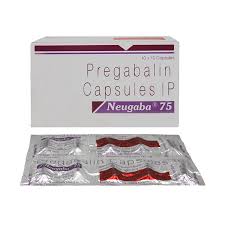
Pregabalin
Pregabalin
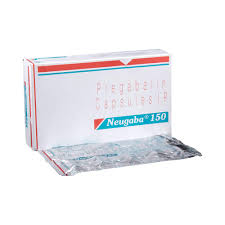
Pregabalin
Reviews
There are no reviews yet.